

Cardio

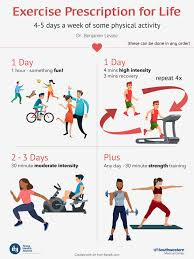
Cardio, or cardiovascular exercise, involves rhythmic physical activities that raise your heart rate and breathing to improve heart and lung function, such as walking, cycling, and swimming. Benefits include better heart health, improved mood, weight management, and increased longevity. To reap these benefits, aim for 150 minutes of moderate-intensity cardio per week, and consider incorporating low-impact options like swimming if you have knee pain. -Healthline
What is Cardio?
Definition:
Cardio is short for cardiovascular exercise, also known as aerobic exercise.
How it Works:
It’s any rhythmic activity that uses large muscle groups to get your heart pumping faster and your lungs working harder, increasing the oxygen throughout your body.
Examples:
Common examples include walking, jogging, cycling, swimming, and even dancing. -Verywell Fit
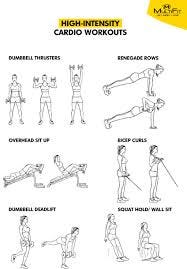
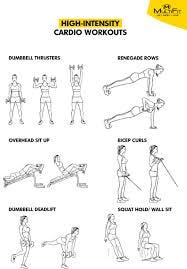
Benefits of Cardio
Regular cardio workouts offer a wide range of physical and mental health advantages:
Heart Health:
Strengthens your heart and blood vessels, lowering blood pressure and cholesterol levels.
Disease Prevention:
Reduces the risk of heart disease, diabetes, stroke, and some cancers.
Mood Improvement:
Boosts the production of endorphins, a natural mood enhancer, leading to increased feelings of happiness.
Weight Management:
Burns calories and helps maintain a healthy weight, especially when combined with other forms of exercise like weight training.
Increased Longevity:
Studies suggest that regular cardio exercise is linked to living a longer life. -Cleveland Clinic
Getting Started with Cardio
Start Slow:
Begin with an easy pace to let your body adapt, rather than pushing yourself too hard too soon.
Be Consistent:
Health experts recommend 150 minutes of moderate-intensity cardio per week, or 75 minutes of vigorous-intensity activity.
Choose Low-Impact Options:
If you have knee pain, opt for low-impact activities like swimming, cycling, or walking instead of high-impact exercises like running. -Adidas